-
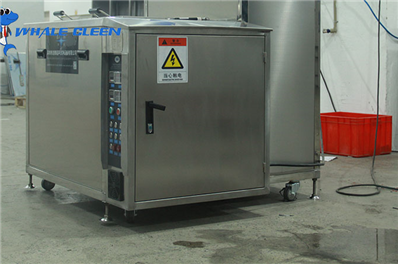 Guidelines for Water Replacement in Ultrasonic Cleaning Machines
In the realm of ultrasonic cleaning technology, the frequency of water replacement in ultrasonic cleaning machines is a critical aspect of maintenance and operational efficiency. The frequency of water replacement is contingent upon several factors, inclu
-
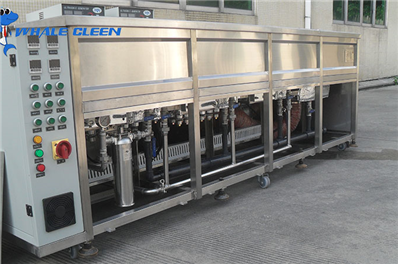 Optimizing Heat Dissipation Efficiency of Circuit Heat Sinks with Ultrasonic Cleaning Technology
In the realm of electronic devices, maintaining optimal operational temperatures is paramount to ensure their reliability and longevity. One integral component responsible for heat management is the circuit heat sink. Its primary function is to conduct an
-
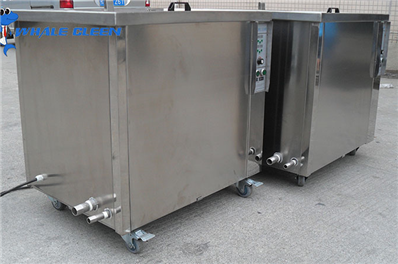 Ultrasonic Cleaning Machines: Vital Role in Aviation Maintenance
Aviation maintenance involves intricate tasks to ensure the safety and optimal performance of aircraft. Among the technologies aiding these efforts, ultrasonic cleaning machines have emerged as indispensable tools. By harnessing the power of ultrasonic wa
-
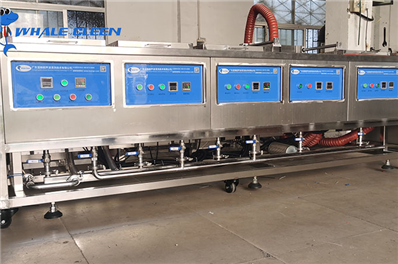 Ultrasonic Cleaning for Metal Printing Machine Components: Ensuring Print Quality and Equipment Reliability
Cleaning metal printing machine components is an essential step to ensure printing quality and equipment reliability. During the printing process, metal parts can accumulate ink residues, oil, and other impurities, which can negatively impact print qualit
-
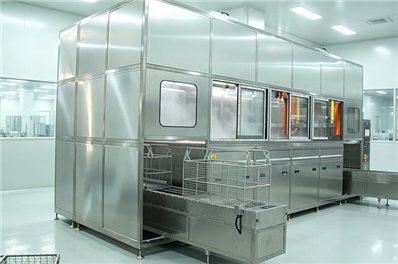 Precision Gauge Maintenance: How Ultrasonic Cleaning Avoids Costly Missteps
In the world of precision manufacturing, a precision gauge is the silent guardian of quality. Its dimensional accuracy dictates the fit, function, and safety of countless industrial products. Yet, a gauge's long-term accuracy isn't just a function
-
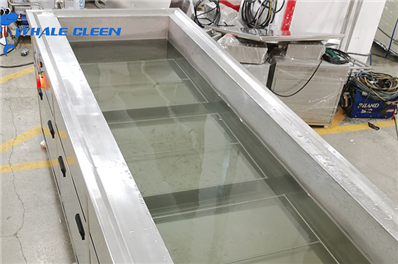 How to Disable Heating in Ultrasonic Cleaners: A Comprehensive Guide
I. Reasons to Disable Heating 1. Application Scenarios Temperature-sensitive materials: Plastics (deformation risk above 50°C) Biological samples (prot
-
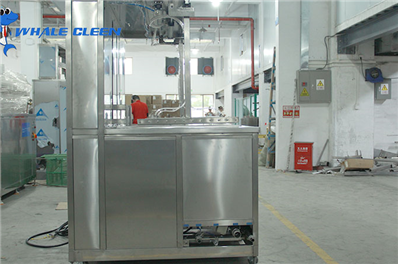 How to Measure an Ultrasonic Cleaner? Comprehensive Guide and Practical Tips
1. The Importance of Measuring Ultrasonic Cleaners The performance of an ultrasonic cleaner directly impacts cleaning efficiency and equipment lifespan. Regular measurement helps avoid issues such as: Reduced Cleaning Efficiency: Aging o
-
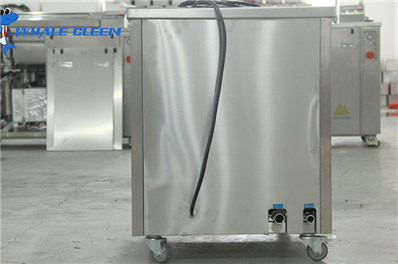 What Dental Instruments Can Be Cleaned with Ultrasonic Cleaners? A Professional Perspective
In the field of dentistry, maintaining the cleanliness and sterility of dental instruments is crucial to ensure patient safety and prevent cross-contamination. Ultrasonic cleaners have emerged as a highly effective solution for cleaning a wide range of de
-
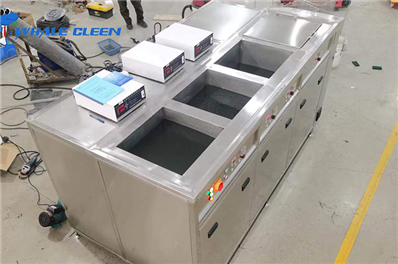 Ultrasonic Cleaning Machines: What Can They Clean and How Do They Work?
Ultrasonic cleaning is a technology widely used across multiple industries to clean delicate, complex, or large objects effectively and without damaging them. The process employs high-frequency sound waves, typically ranging from 20 kHz to several MHz, to
-
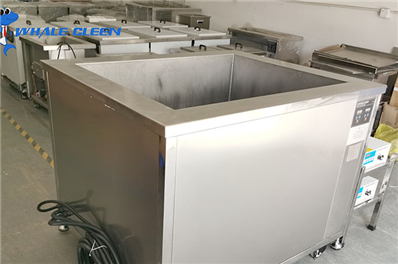 How Ultrasonic Cleaning Machines Enhance Hygiene Levels of Medical Equipment
Introduction In healthcare settings, the hygiene of medical equipment is critical to patient safety. Ensuring that medical devices are thoroughly cleaned and disinfected is a fundamental aspect of infection control. Ultrasonic cleaning has emerged as a
-
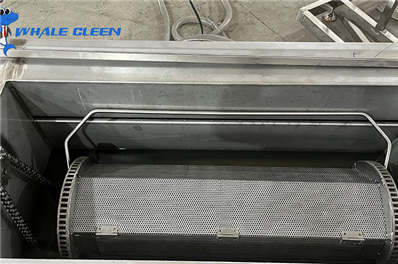 Meeting High Standards of Cleanliness for Electronic Products with Ultrasonic Cleaning Machines
Introduction In the electronics industry, the cleanliness of components and assemblies is paramount. Contaminants such as dust, oils, fingerprints, and residues can significantly affect the performance, reliability, and lifespan of electronic devices.
-
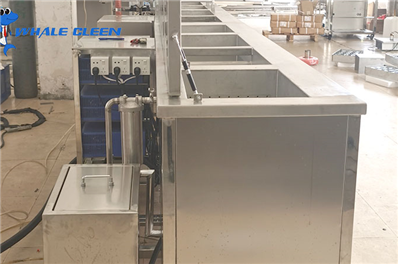 Addressing Pharmaceutical Cleaning Challenges with Ultrasonic Cleaning Technology
Introduction The pharmaceutical industry faces unique cleaning challenges due to stringent regulations, the need for high levels of cleanliness, and the necessity to prevent contamination in drug production. Ultrasonic cleaning technology has emerged a